Rembrandt BUGATTI
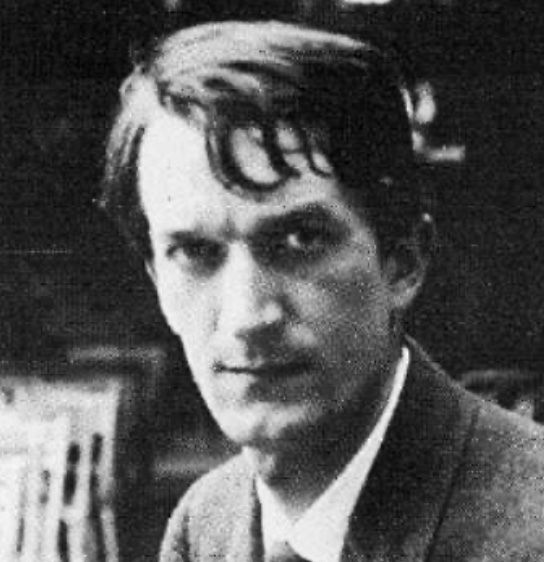
The younger son of Carlo Bugatti, Rembrandt was born in Milan on October 16, 1884, a little over three years after his famous older brother, Ettore.
Rembrandt Bugatti developed a passion for animal sculpture from childhood. In 1903, he left Milan with his family to settle in Paris. From then on, he frequented the menagerie at the Jardin des Plantes.
Preceded by his reputation, he was contacted by Adrien-Aurélien Hébrard, of the art gallery of the same name, where Rembrandt Bugatti held his first solo exhibition with about thirty plaster casts.
Rembrandt Bugatti's works were gradually produced in an average of ten copies, some pieces being unique and others, very popular, produced in more than thirty copies.
1904 was also the year Rembrandt Bugatti created a sculpture of a rearing, playing elephant, which was later cast in silver and slightly modified twenty years later to serve as the model for the radiator cap of his brother Ettore's famous "Royale" (1928). All his sculptures were very successful, as at the Salon of the Société Nationale des Beaux-Arts, where Rembrandt Bugatti exhibited every year until 1916.
In Paris, he mingled with celebrities such as Modigliani, Guillaume Apollinaire, and André Derain.
1907 marked a turning point in his career. Rembrandt Bugatti was invited to reside in Antwerp by the Royal Zoological Society; he worked at the Antwerp Zoo, which was then the richest in Europe, and exhibited his work there. His bestiary was very varied, ranging from European and exotic animals, especially the big cats he adored, to birds and reptiles, species that no artist had yet depicted.
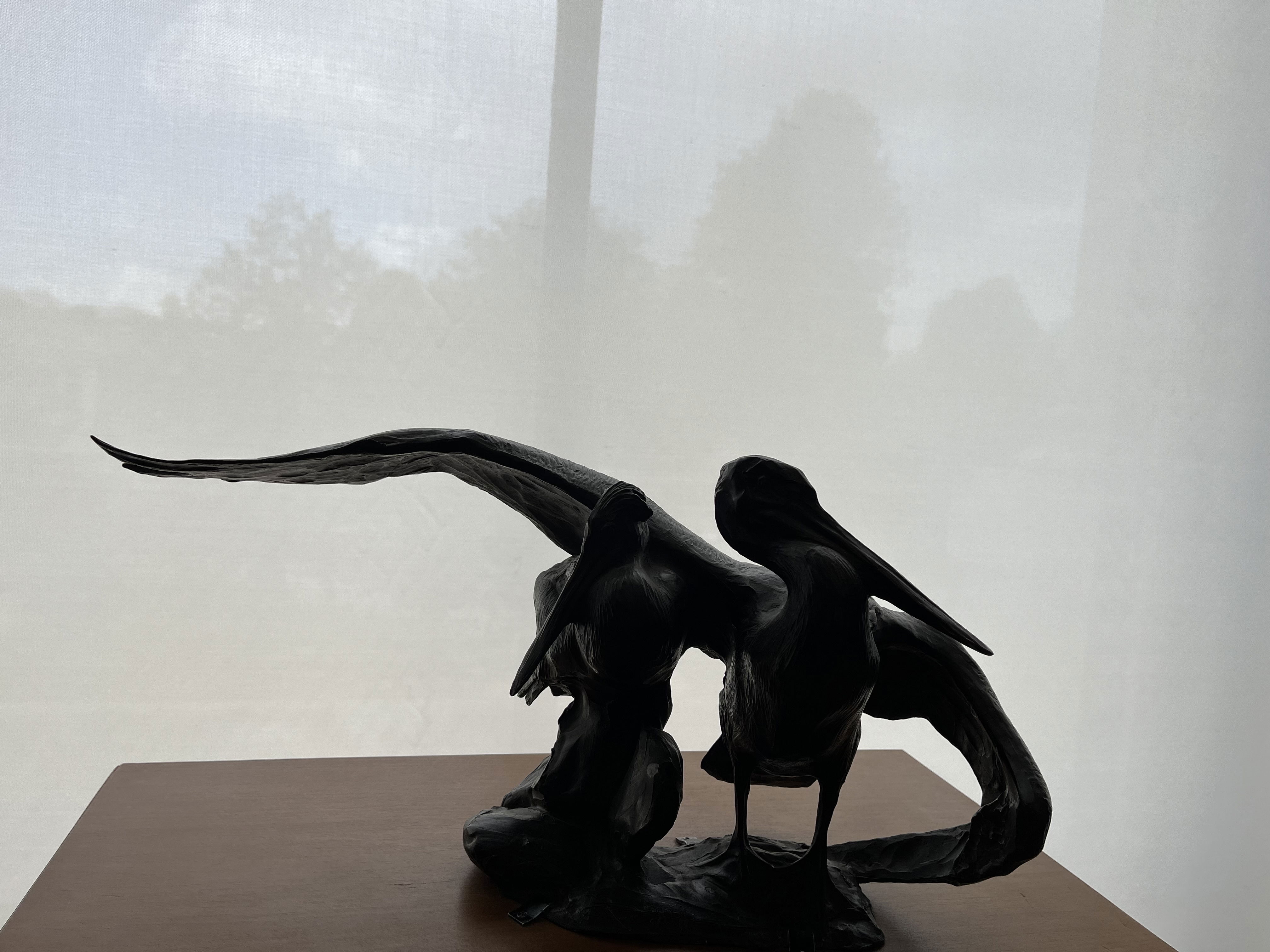
The Pelicans, 1906 , Bronze
This sculpture is currently on display at the Petit Palais in Paris.
Despite the success he achieved in 1910 by exhibiting his works in the Marble Hall of the Royal Zoological Society of Antwerp and being awarded the Legion of Honour, Rembrandt Bugatti gradually sank into depression. The war deprived him of his visits to the zoo and brought him back to Paris, where he committed suicide on January 8, 1916.
April 2024